CATEGORY
Museum Practice
DATE
The most powerful museum objects are often not objects at all. They are stories.
For centuries, museums mostly spoke about people. Increasingly, the most compelling museums are created with them. Participatory practice is not an engagement gimmick or a public-programming layer added at the end. It is a different way of thinking about what a museum is for — and what it is capable of holding.
A collection built by its community
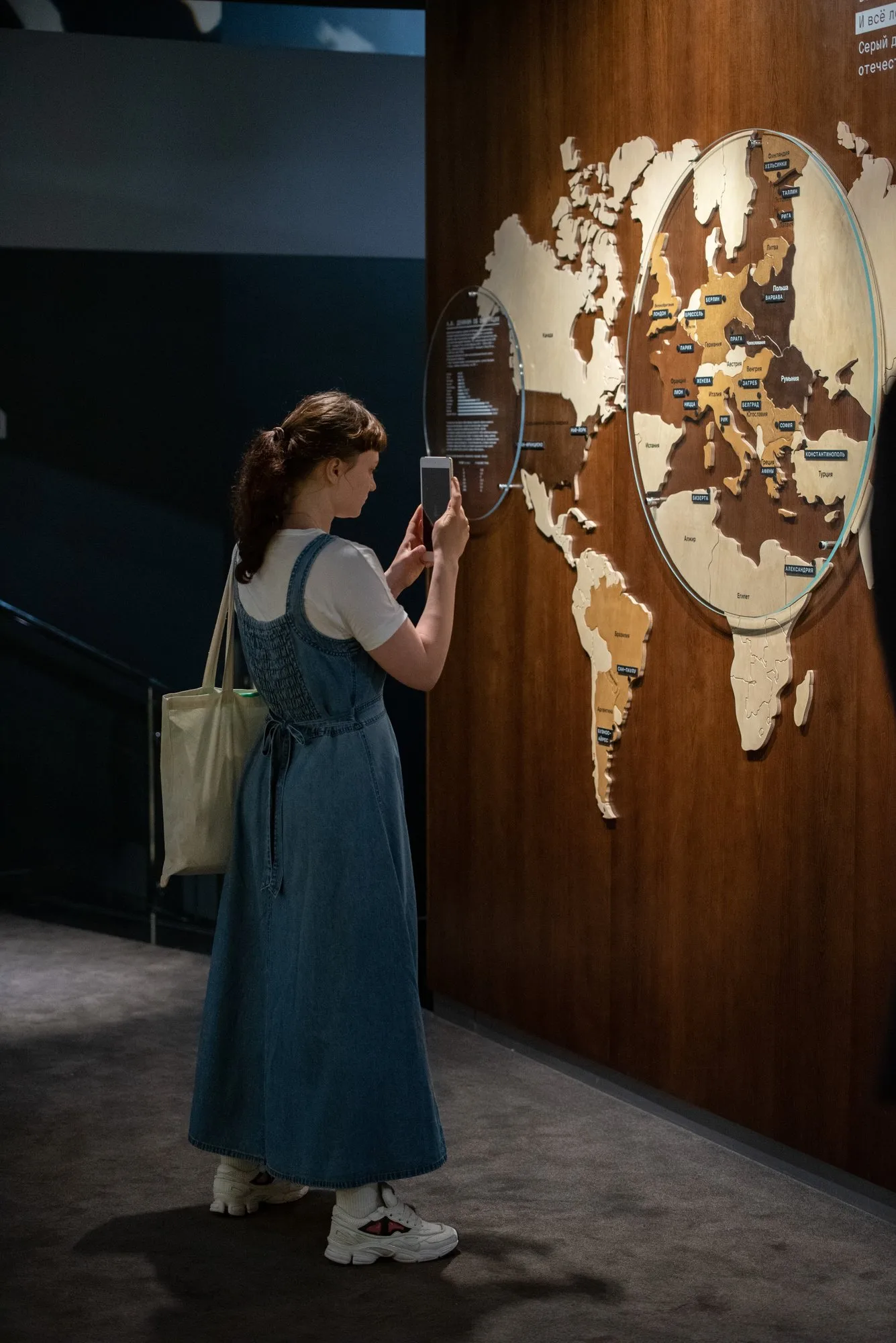
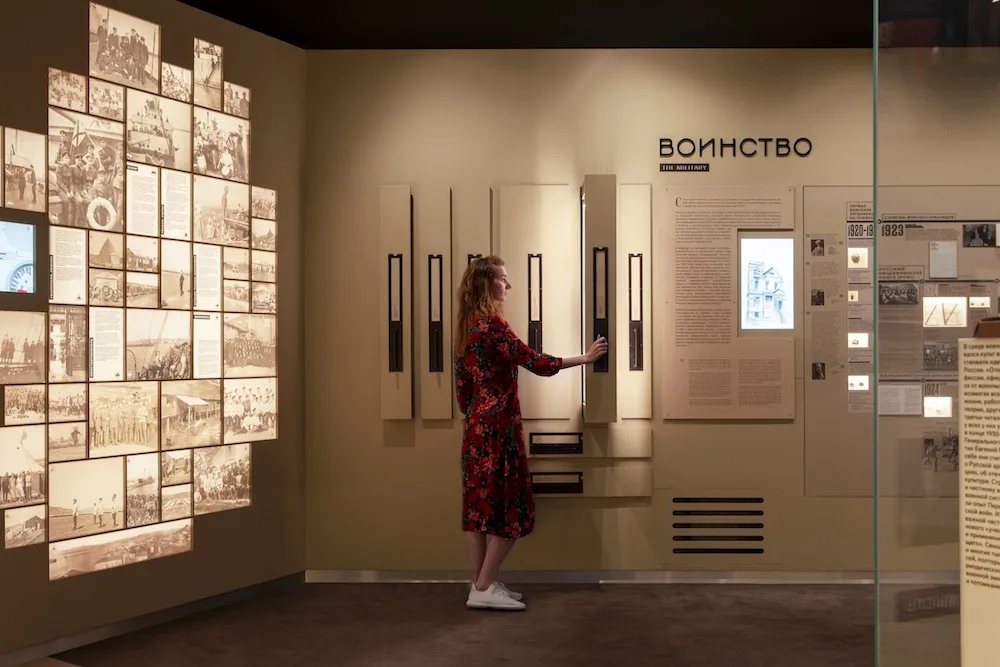
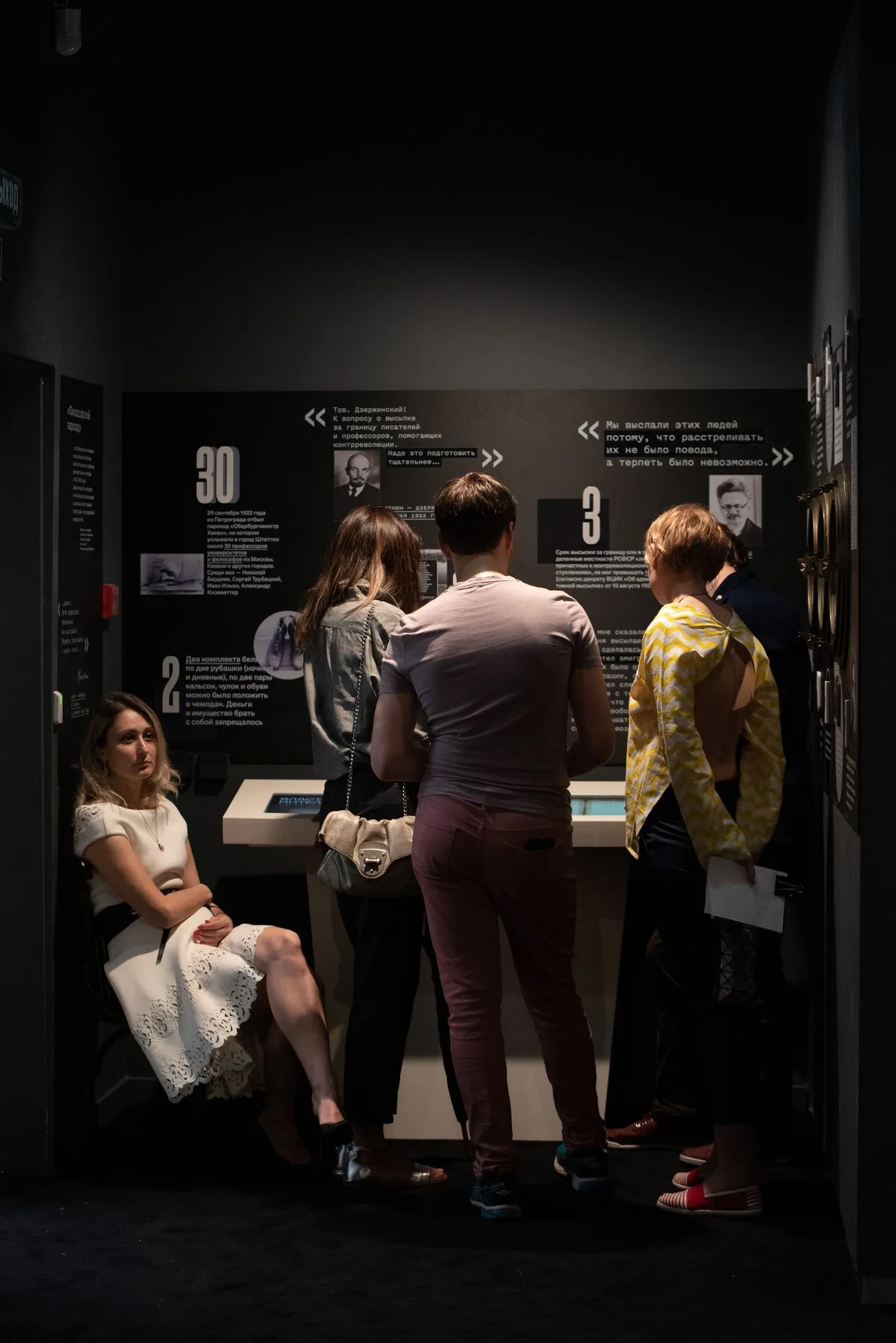
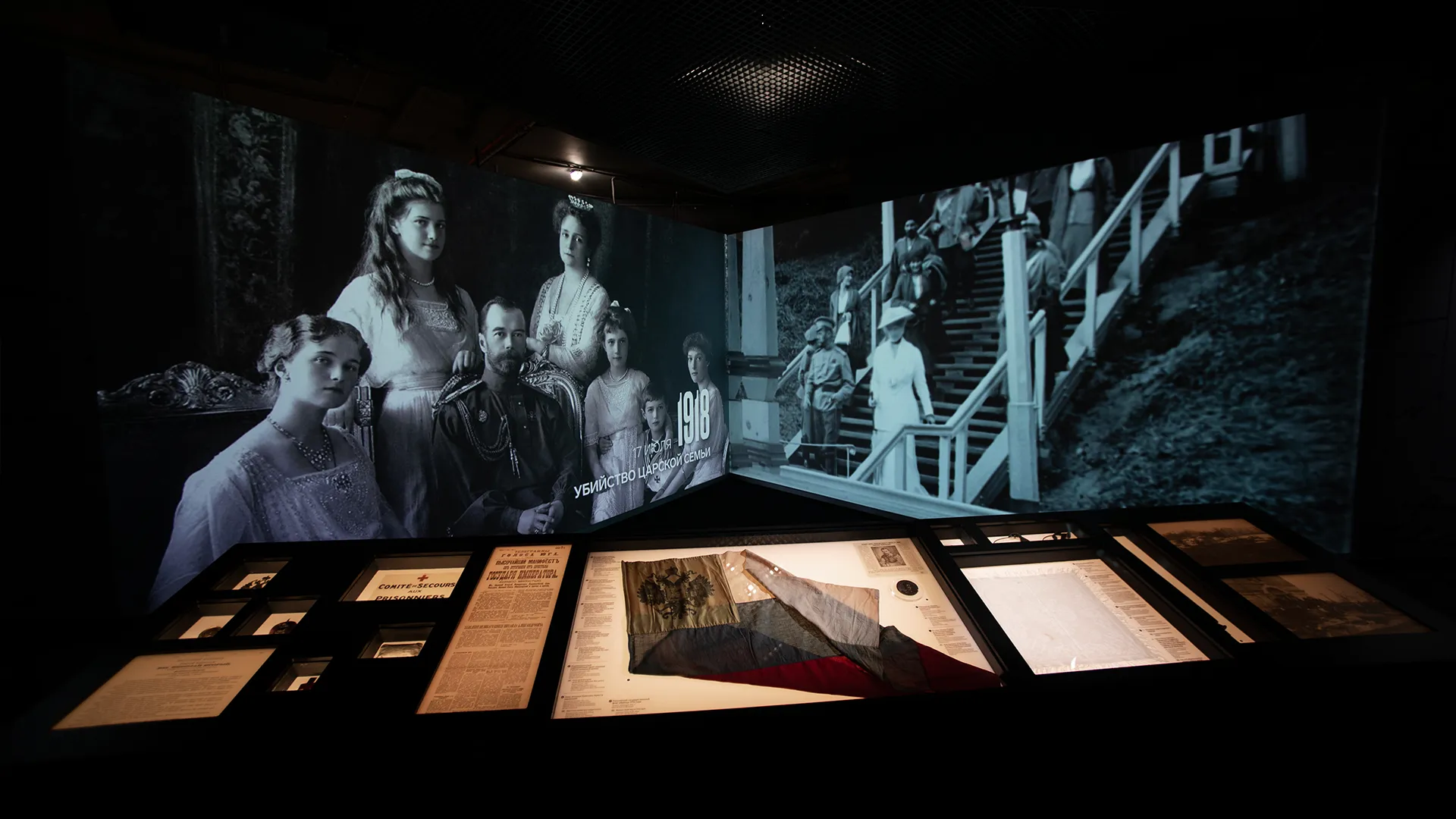
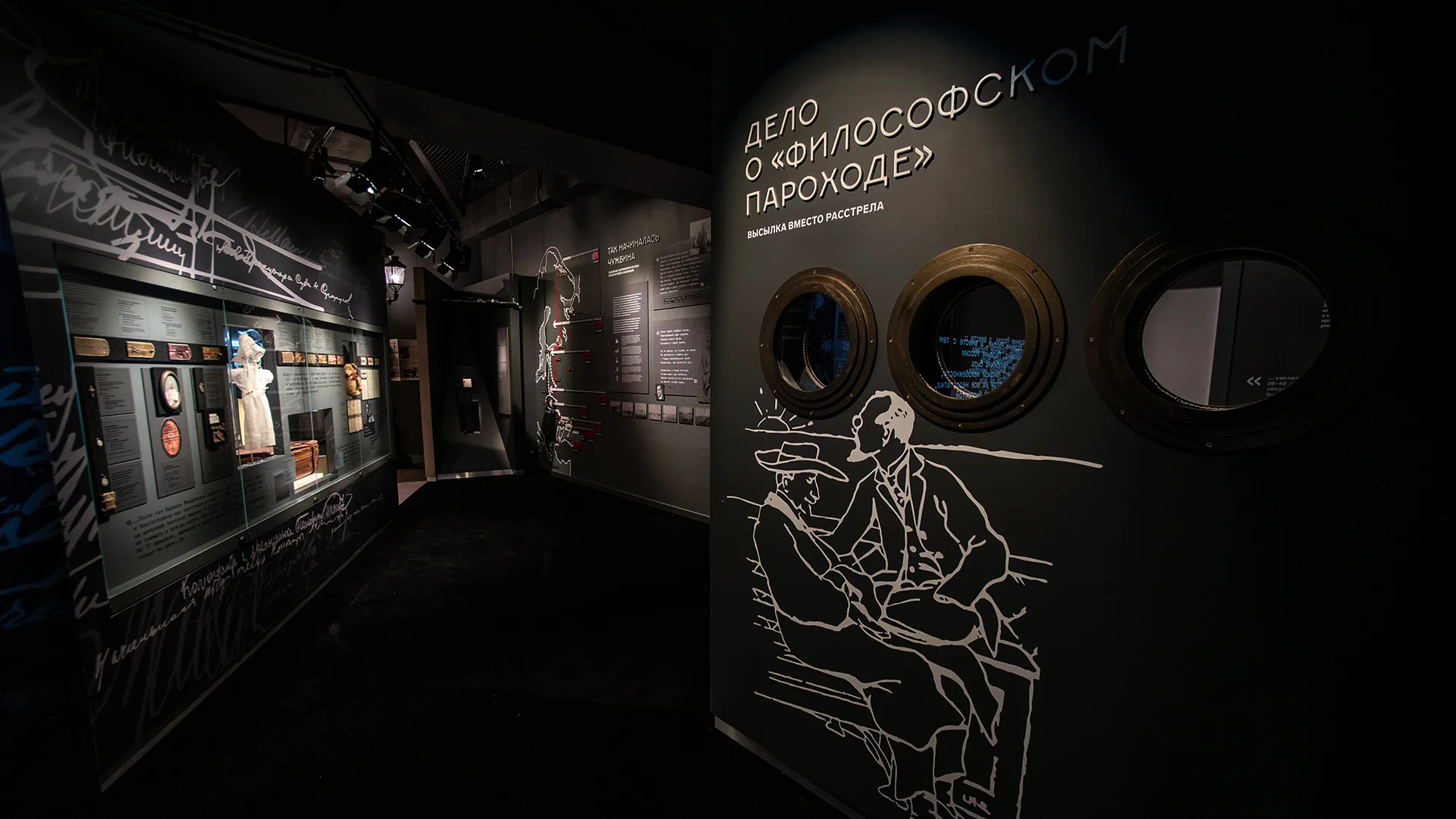
Several years ago, while working at Pitch, I was part of the team that designed the exposition for a museum dedicated to the waves of emigration that followed the 1917 Revolution and the upheavals of 20th-century Russian history. What made the project extraordinary was not only the brief. It was the collection.
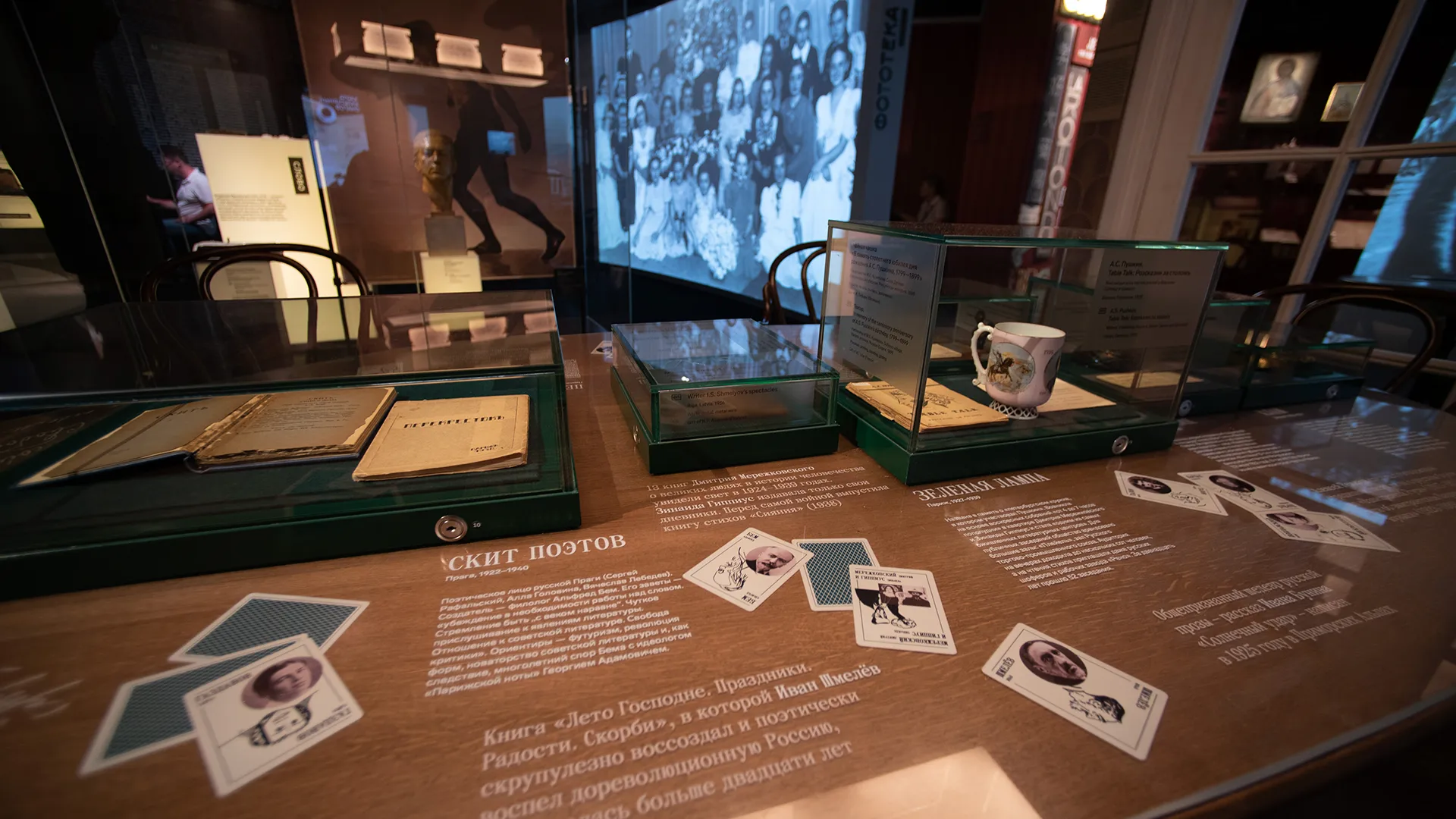
By the time we began work, the museum’s fund already held more than 250,000 objects, around 900,000 books and periodicals, and extensive film materials. More than 80% had been donated by families living abroad — communities across continents who had preserved fragments of former lives for generations.
Nearly every artefact carried a personal story.
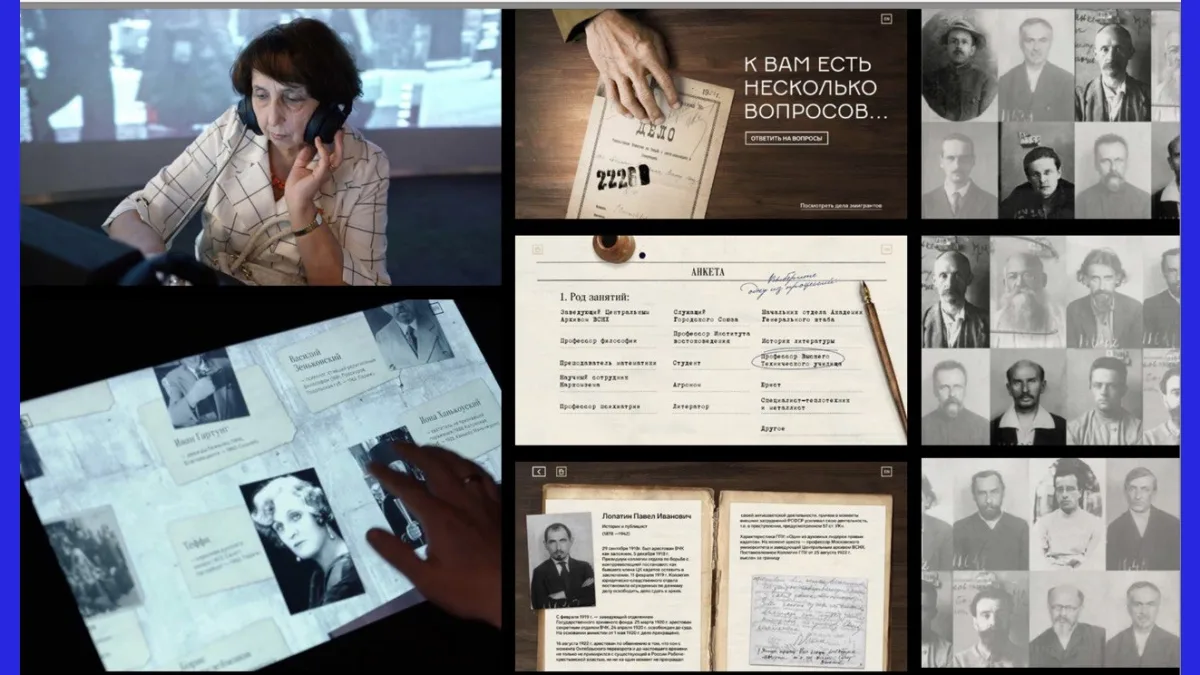
A philosopher who became a taxi driver in exile. A university professor who worked as a baker. Writers, scientists, artists, engineers, soldiers, children — people of very different backgrounds rebuilding their lives from scratch, far from home, while trying to keep language, memory and culture intact.
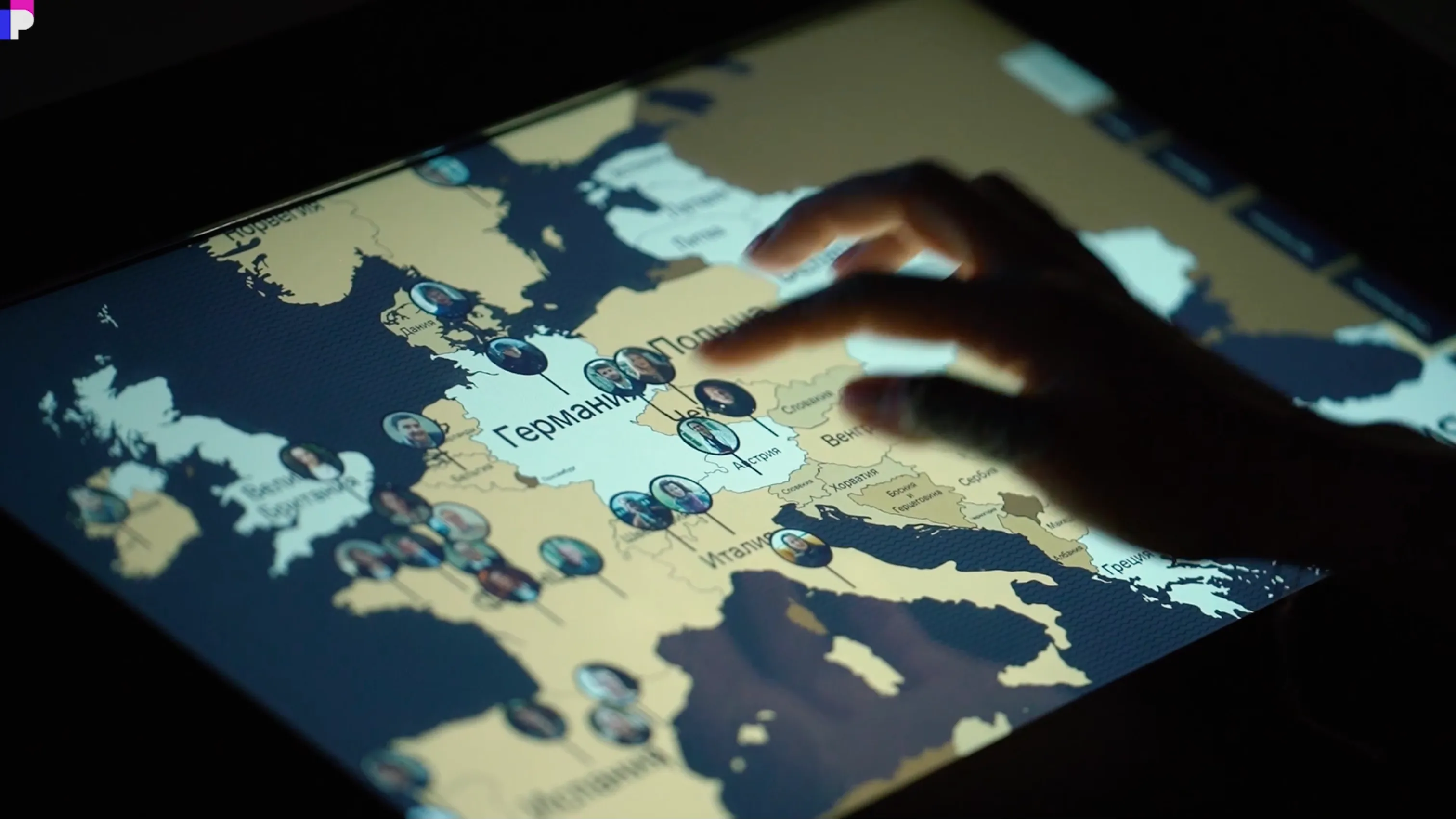
Recording memory across 40 countries
To bring those stories into the exhibition, the project included interviews with emigrants and their descendants — from Peru to Australia, from France to Egypt. Around 40 countries in total, across every continent except Antarctica. The result was a museum built not only from historical artefacts, but from hundreds of personal memories and family heirlooms.
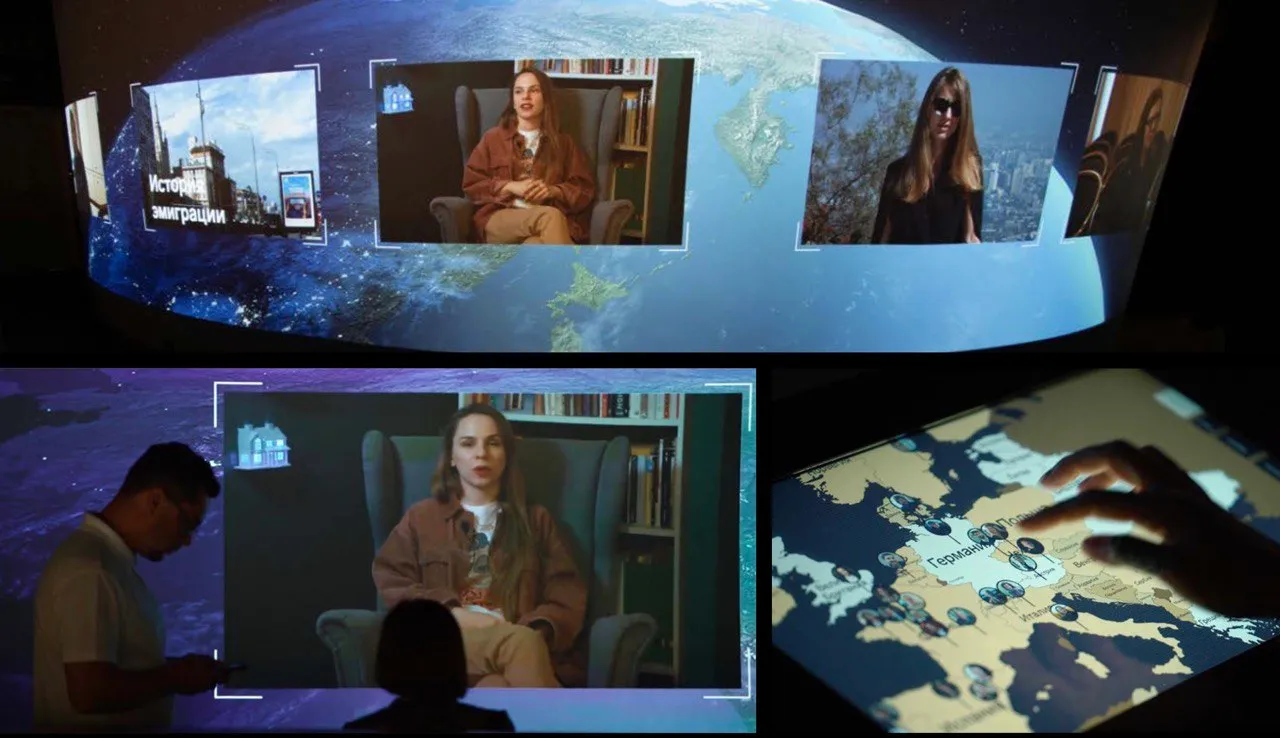
The multimedia layer was rich. But the emotional force came from somewhere deeper. The scenography, light, sound, media and spatial storytelling were all designed to create an atmosphere in which visitors could feel these lives and journeys — not simply read about them.
I brought my mother to the opening. She cried — even though she has only been abroad a couple of times in her life. That moment told me we had done something right.
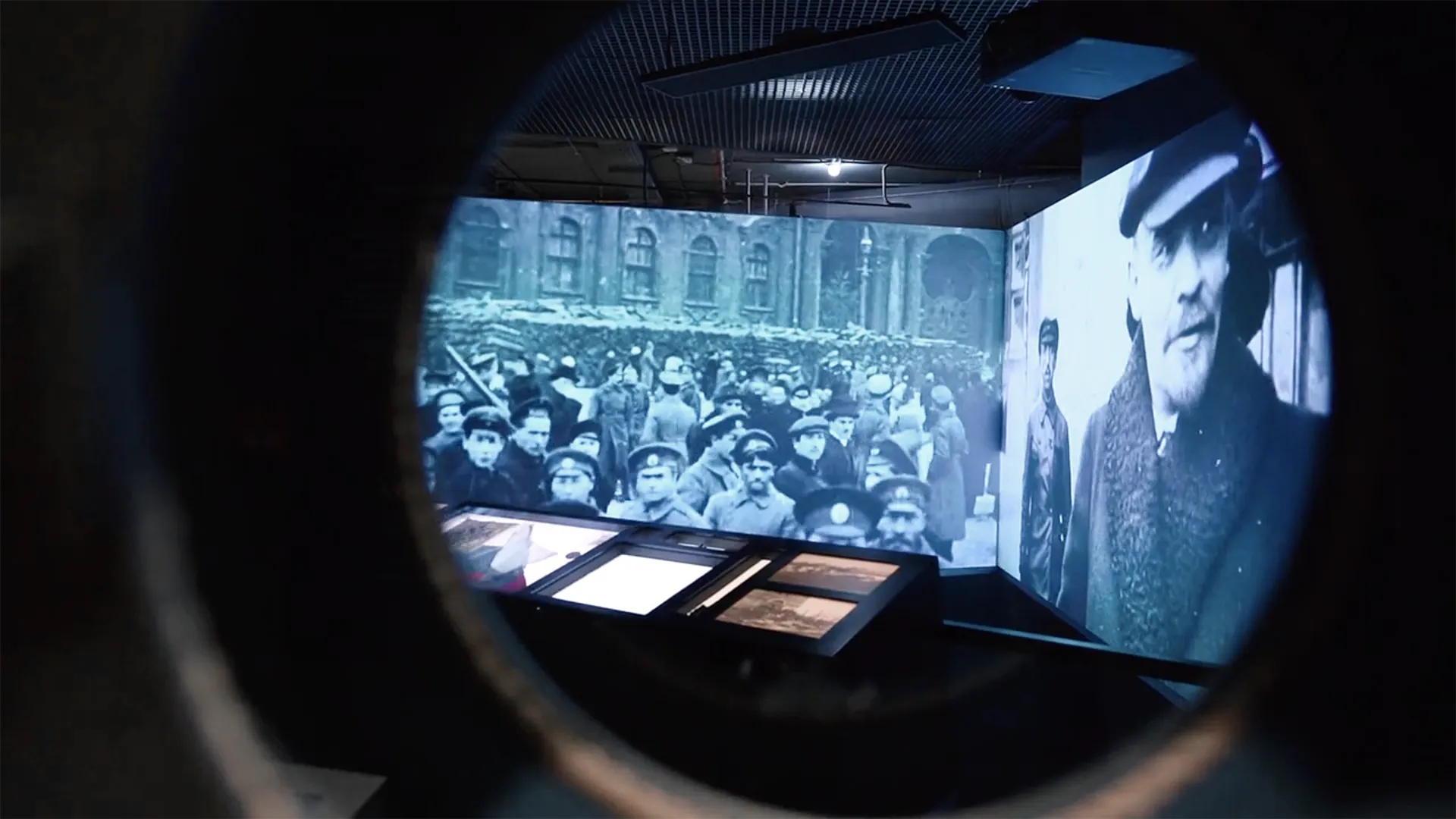
When personal stories meet thoughtful visitor experience design, museums stop feeling like archives. They begin to feel like human experiences.
What participatory design actually means
One of the most influential frameworks for thinking about this is Nina Simon’s The Participatory Museum — a book that shaped much of my thinking on the subject. Its core argument is simple: audiences should not only consume culture. They should be able to contribute to it, interpret it, and help shape its meaning.
In practice, participatory museum design can take many forms.
Community collecting programmes invite families and local groups to contribute objects, documents and context. Oral history initiatives capture living memory before it disappears. Co-curated exhibitions are developed in genuine dialogue with the communities they represent. Living digital archives continue to grow after opening day. Visitor contribution spaces allow people to add their own memories, questions or interpretations to the exhibition.
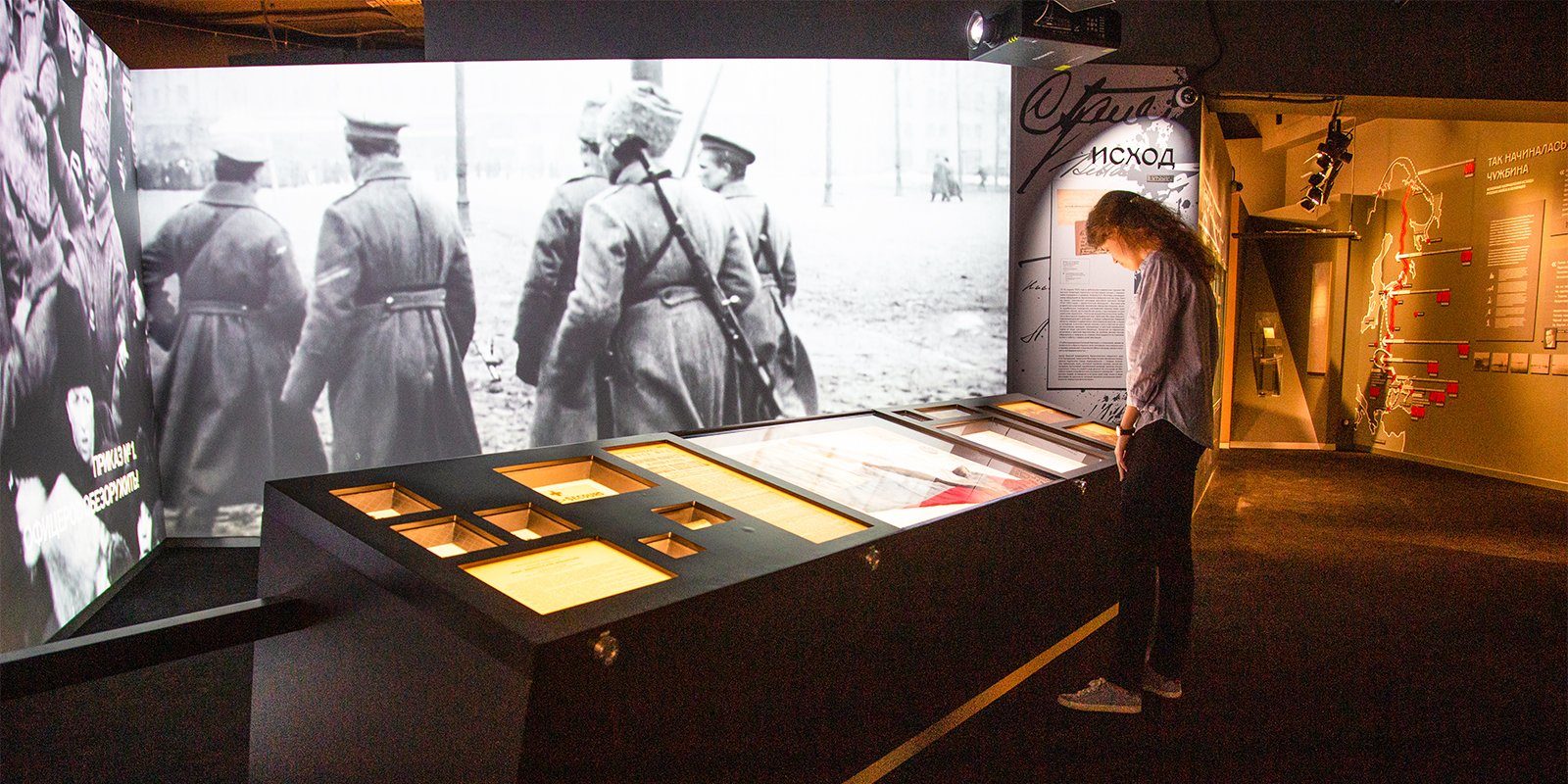
Each of these approaches changes the visitor’s relationship to the institution. People stop feeling like guests in someone else’s story. They begin to recognise themselves as part of history itself.
The design consequence
For those of us working with visitor experience strategy, exhibition narrative and spatial storytelling, participatory practice raises a very specific design challenge:
How do you create a spatial and sensory framework that can hold contributed material — material you do not fully control — without losing coherence?
The answer is almost always found at the concept stage. The narrative logic has to be strong enough to absorb individual voices without drowning them. It has to be flexible enough to let them breathe. And it has to give visitors a clear emotional trajectory, so that hundreds of personal fragments do not become noise, but form a shared human experience.
That is not only a content problem. It is a concept problem. It has to be defined before the brief locks in, before the architect draws the first wall, before the first interview is recorded.
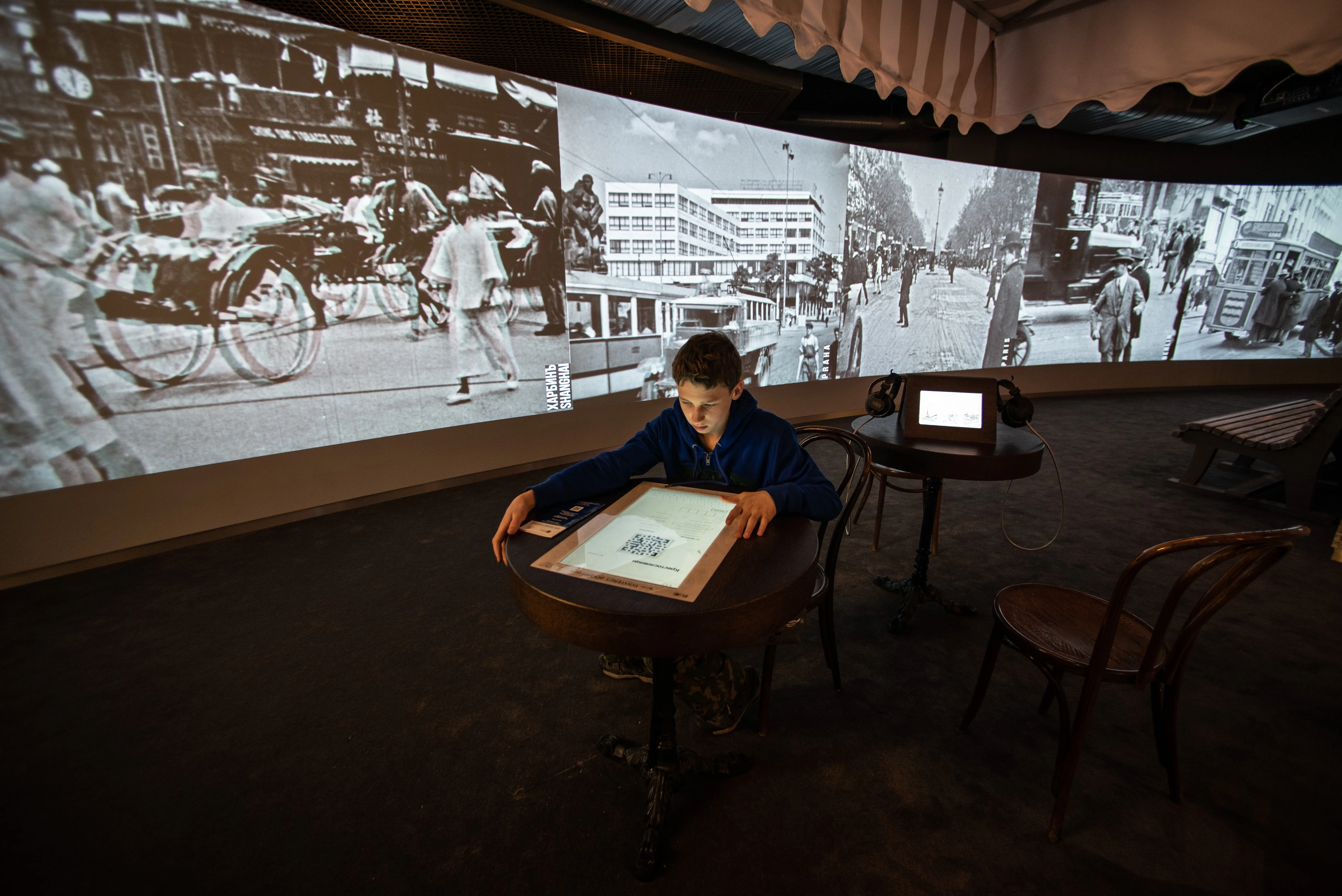
Years later, that exhibition still holds a particular place in how I think about museum work. Not because of what we built. Because of what it felt like when it was finished.