YEAR
2024
CITY
BLAGOVESHCHENSK
SERVICE
AI & IMMERSIVE EXPERIENCE
THE BRIEF
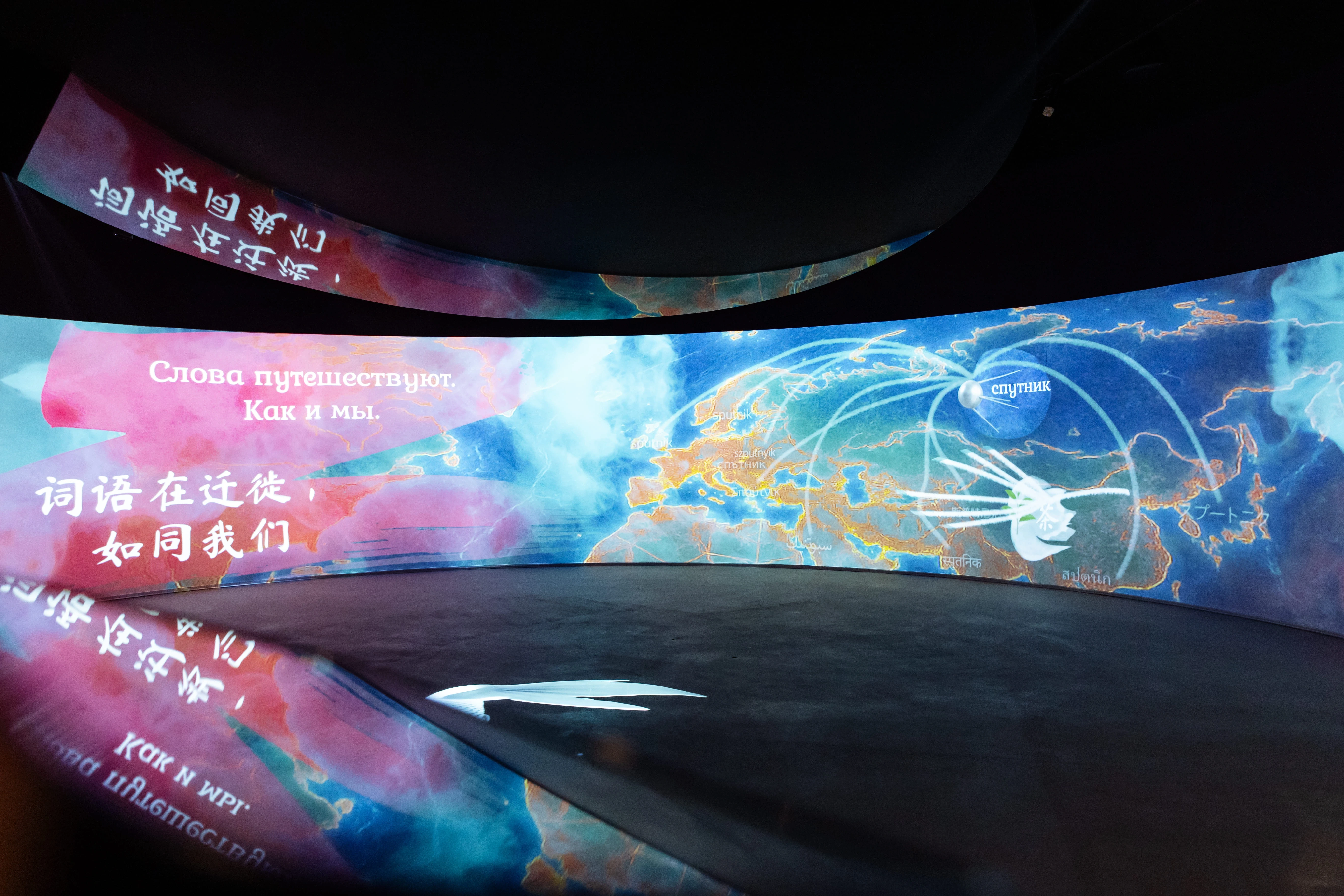
A cultural and educational museum exploring the relationship between Russia and China through history, identity, and contemporary collaboration — located in Blagoveshchensk, a Russian border city directly facing the Chinese city of Heihe across the Amur River.
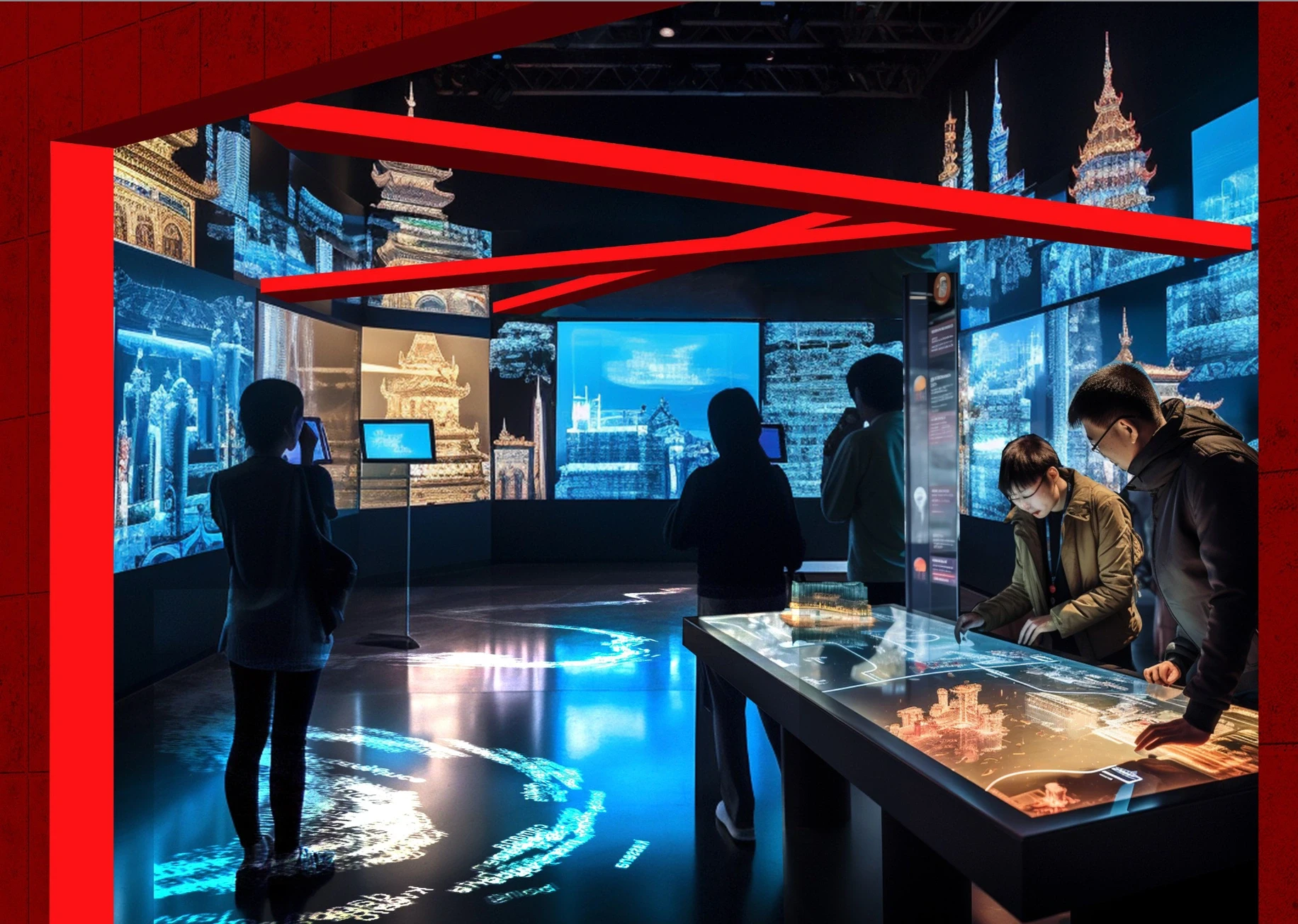
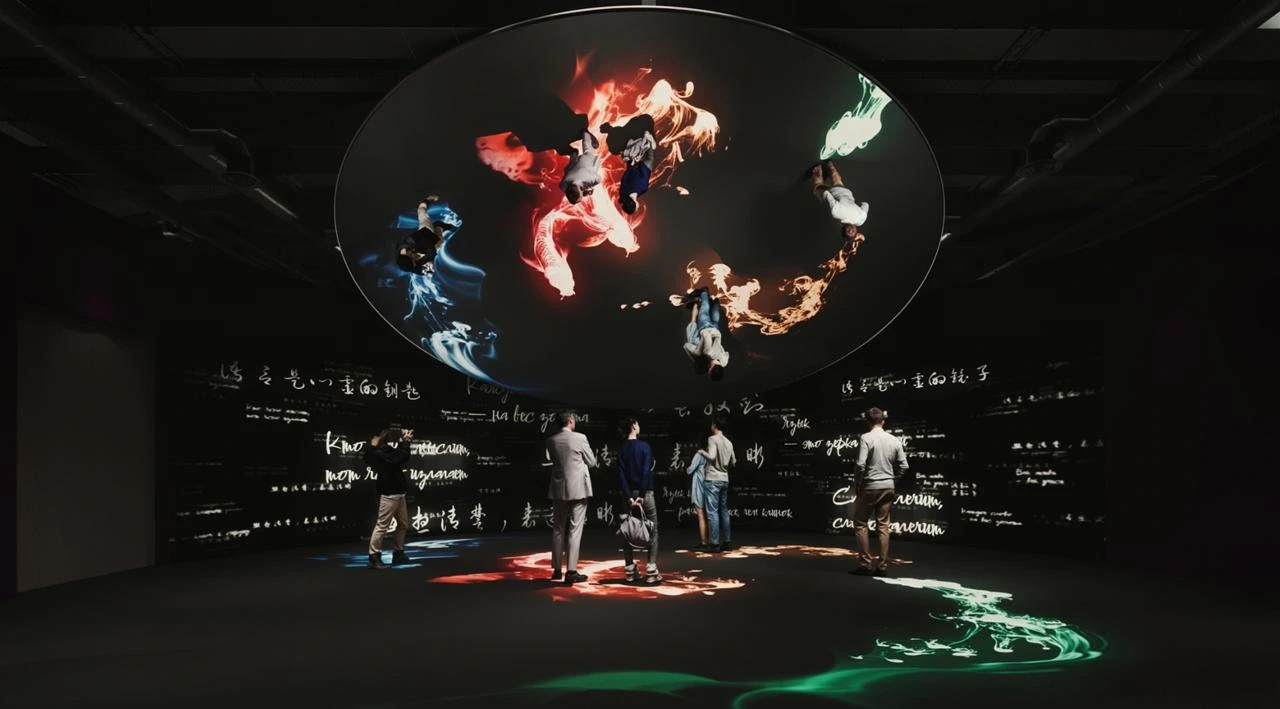
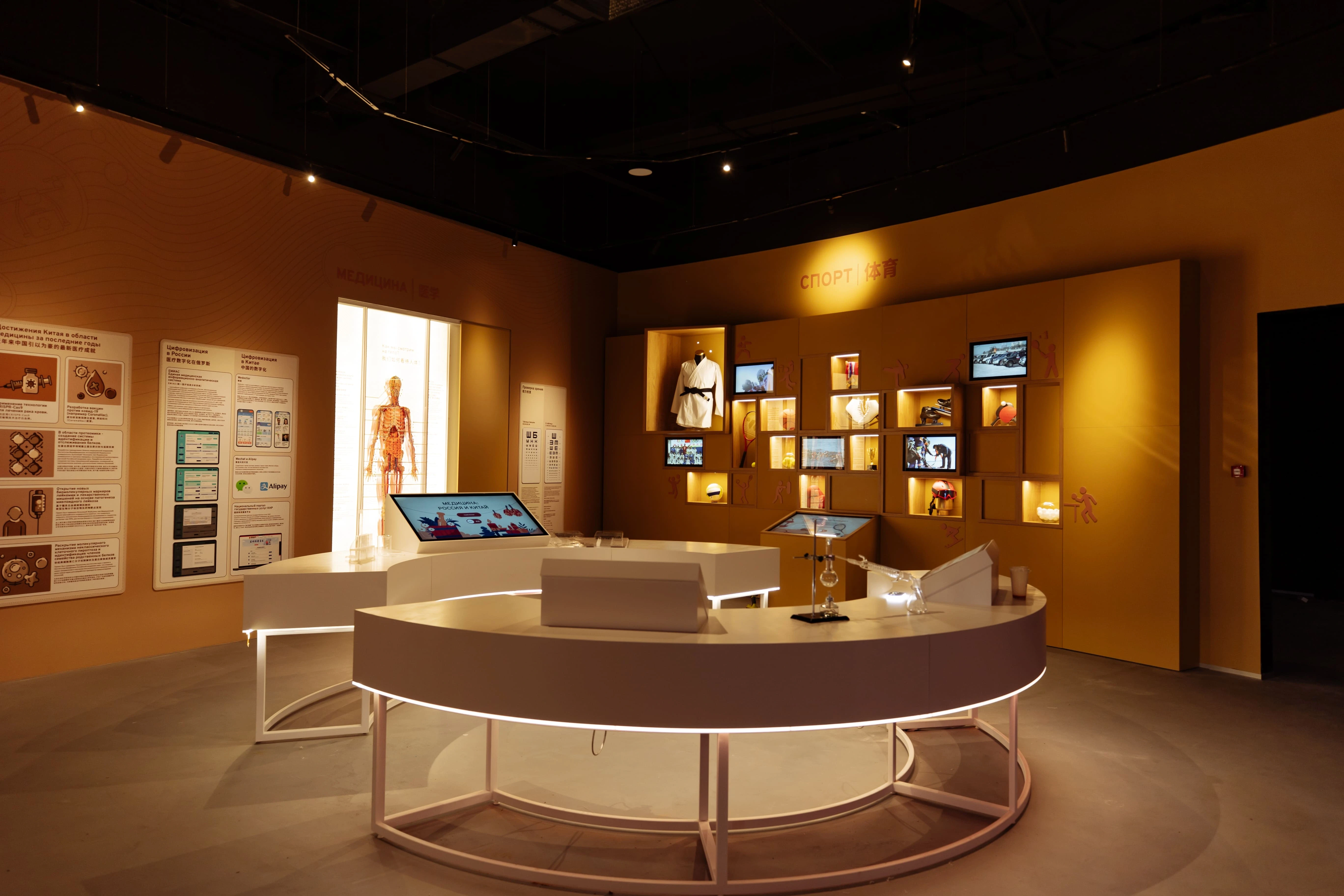
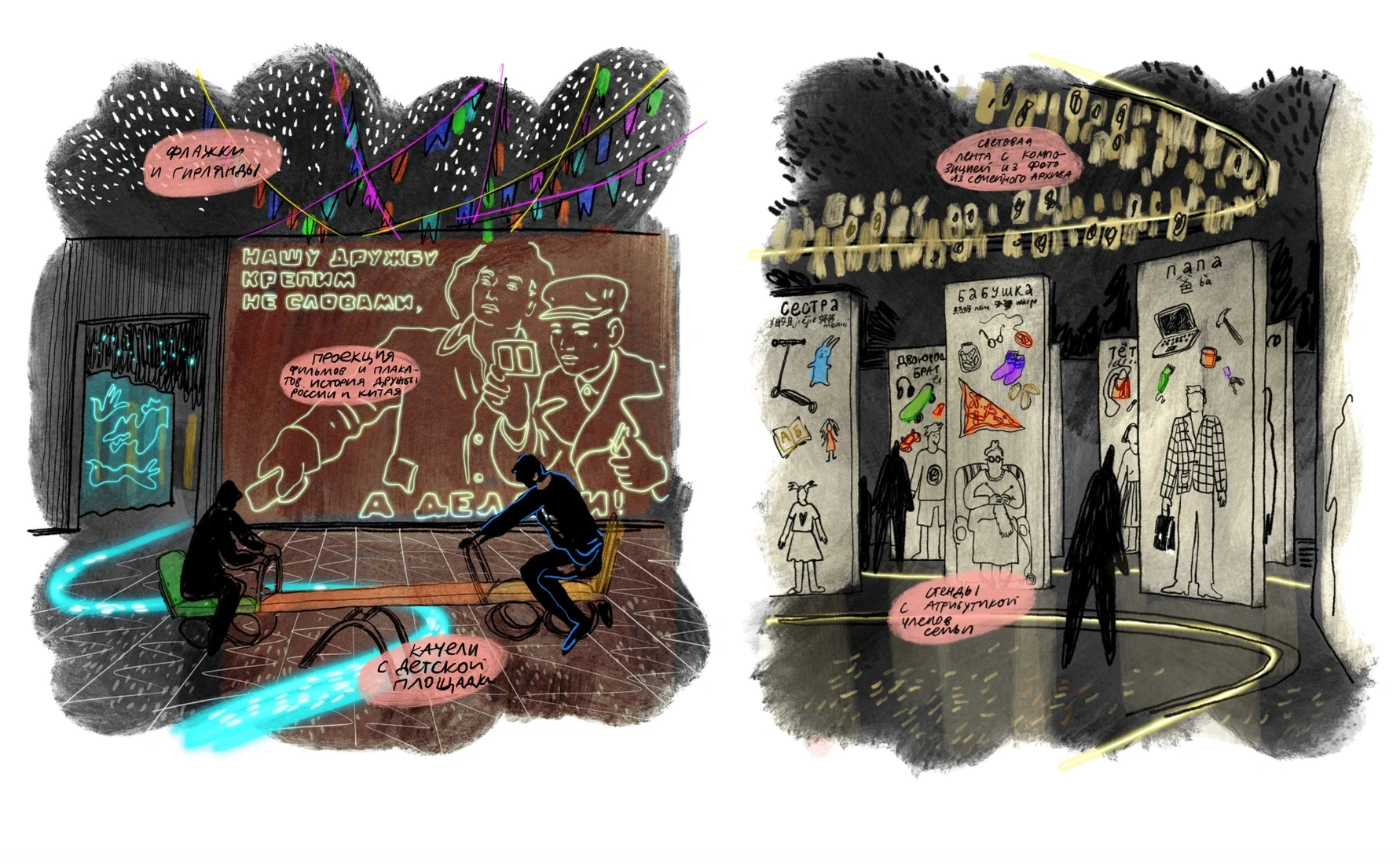
The museum spans 8 exhibition halls with 500+ unique exhibits, combining traditional display with immersive media and an AI-driven digital layer that extends the exhibition beyond its physical boundaries. The concept and creative framework were commissioned from Pitch; the museum was subsequently built and opened by another production team working from the developed concept.
MY ROLE
I served as Co-Curator, Creative Director, and Head of the Creative Team for the concept development phase. I defined the core narrative and conceptual framework — the decision to structure the museum around human-centred cultural exchange rather than diplomatic history — and directed the development of exhibition scenarios, spatial storytelling logic, and multimedia integration across all eight halls. I led the creative team responsible for the concept, ensuring coherence between research, content direction, and the design of the AI-driven digital layer.
THE CHALLENGE
A museum about bilateral relations between two major powers carries an inherent risk: it can easily collapse into diplomatic display — a sequence of handshakes, agreements, and official milestones that tells visitors nothing about the lived texture of the relationship between two cultures and two peoples. The brief required something more substantive: a museum that could make a complex, centuries-long relationship between neighbouring civilisations feel genuinely human and personally relevant to visitors on both sides of the border. The additional challenge was the AI-driven digital layer — not a technology feature bolted onto a conventional exhibition, but a system capable of making the content dynamic and evolving rather than fixed at the moment of opening.

THE APPROACH
The conceptual move was to ground the exhibition in human-centred narratives rather than state-level history. Rather than presenting the Russia-China relationship as a sequence of political and economic events, the concept structured the museum around the cultural, personal, and quotidian dimensions of how two neighbouring civilisations have shaped each other — trade, language, food, art, family, migration, shared geography. Official history appears as context; human stories carry the experience.
The AI-driven digital layer was designed as a genuinely functional extension of this approach rather than a demonstration of technical capability. Rather than generating content for its own sake, the system was conceived as a dynamic storytelling infrastructure — capable of surfacing new connections between exhibits, updating content as the bilateral relationship continues to develop, and personalising the visitor journey based on the entry points that matter most to each visitor. In a museum about an ongoing relationship between living cultures, static content is a structural problem; the AI layer was the conceptual solution to that problem.
THE RESULT
The concept delivered a complete creative and narrative framework for an 8-hall museum — core idea and positioning, hall-by-hall spatial logic, storytelling structure, multimedia integration strategy, and the conceptual architecture of the AI-driven digital layer. The framework was subsequently realised by a production team working from the developed concept. As a commissioned concept project, it demonstrates Boris's ability to define the interpretive and experiential logic of a cultural institution at the level of depth a production team can build from — the thinking that determines whether what gets built will work, before a single installation is specified.