YEAR
2022
CITY
NEW YORK
SERVICE
CREATIVE DIRECTION

THE BRIEF
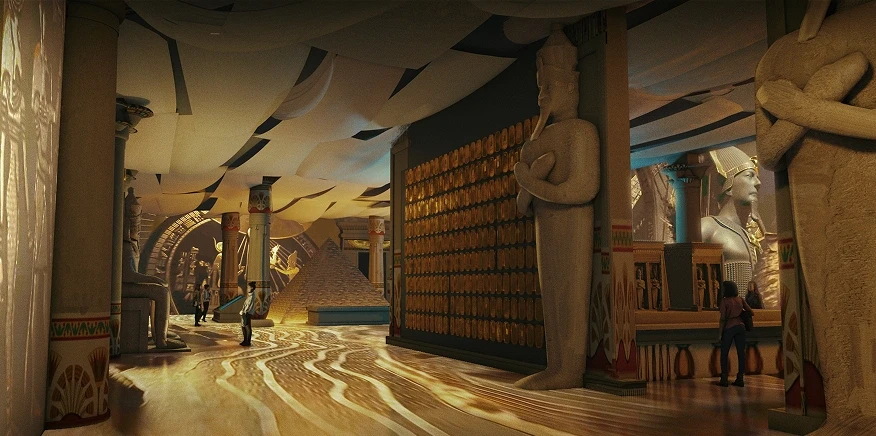
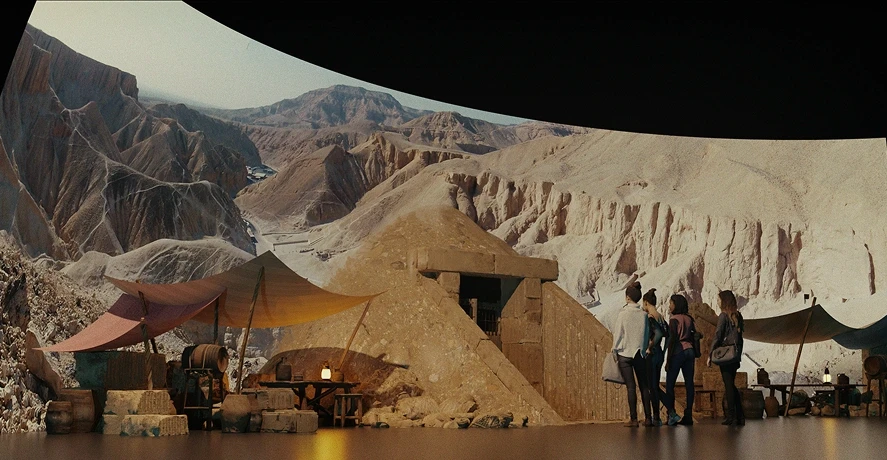
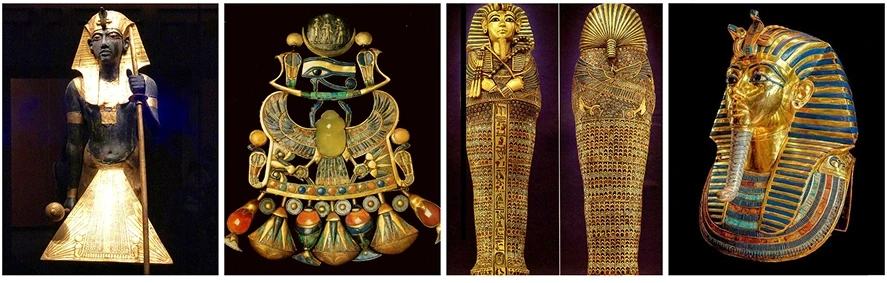
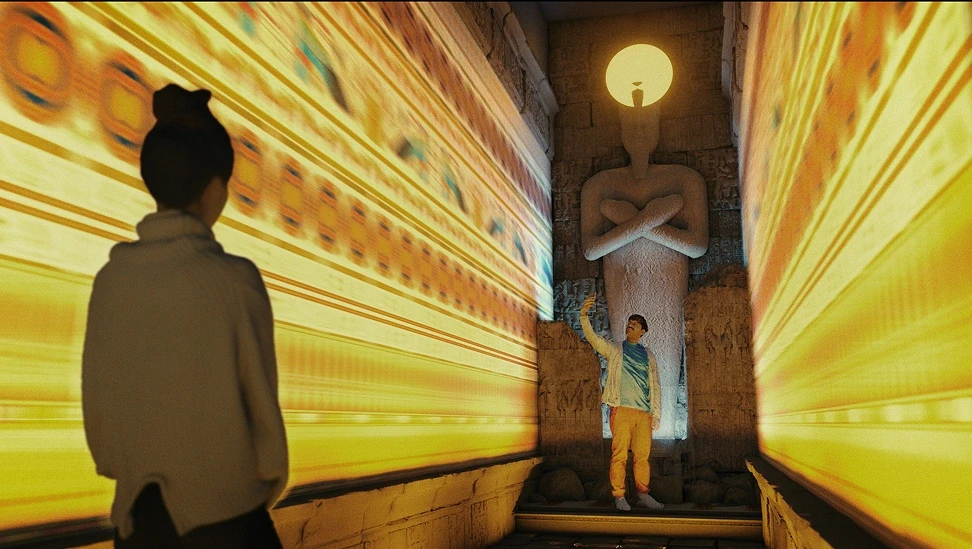
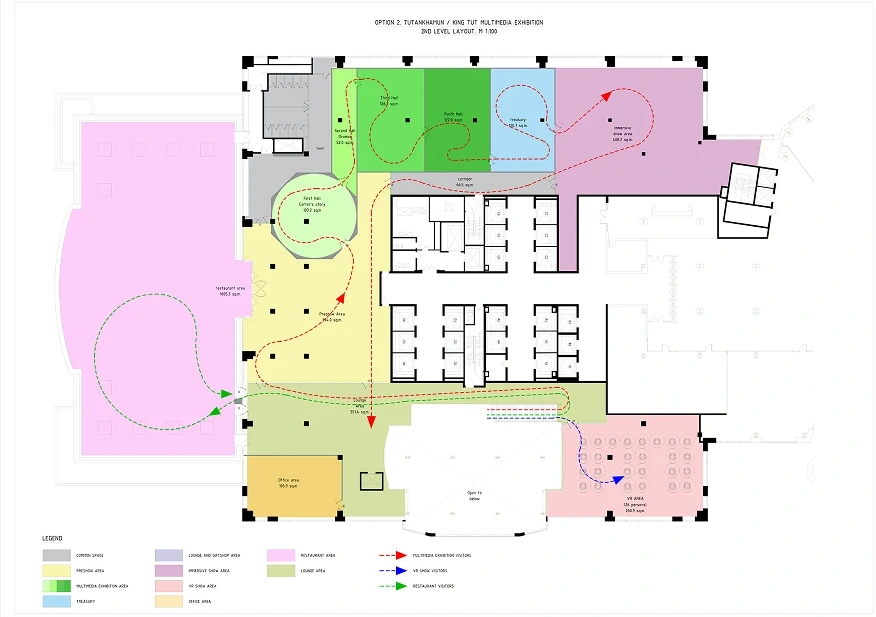
To create the concept and narrative framework for immersive multimedia exhibition to mark 100 years since the discovery of Tutankhamun's tomb by Howard Carter, to be presented in New York in 2022. Spanning 2,300m² across eight thematic zones, the exhibition concept combined digital replicas of treasures from the tomb, VR and holographic environments, and immersive scenography to create an experience where visitors do not observe ancient Egypt — they move through it. The concept and narrative were developed by Boris Kislitsin as part of a larger production led by Sila Sveta, grounded in primary research conducted at sites in Cairo, Luxor, the British Museum (London), and the Metropolitan Museum of Art (New York).
MY ROLE
I served as Researcher, Curator, and Creative Director for key narrative zones within the exhibition. My contribution began with primary research — including site visits to Cairo and Luxor and study of collections at the British Museum and the Metropolitan Museum of Art — which formed the conceptual and factual foundation of the zones I developed.
I defined the narrative framework and spatial concept for those zones, including the pre- and post-show sequences, and directed the integration of VR and holographic environments within the storytelling logic.
THE CHALLENGE
The centenary of Carter's discovery carried significant weight — and significant risk. Tutankhamun is one of the most recognisable figures in world history, which means visitor expectations are both high and conflicting: some arrive as archaeology enthusiasts, others as general audiences drawn by the spectacle, others as families with children encountering the story for the first time. An exhibition that pitched itself primarily as an archaeological document would lose the general audience; one that prioritised spectacle over substance would lose the credibility that the centenary demanded. The narrative challenge was to find an interpretive layer that made the archaeological material emotionally accessible without simplifying what makes it genuinely extraordinary — the intersection of death, belief, power, and the human impulse to transcend time.
THE APPROACH
The curatorial process was grounded in primary research — I have conducted site visits to Cairo and Luxor, and comprehensive study of key collections at the British Museum and the Metropolitan Museum of Art. This was not background reading; it was the foundation of a narrative framework built on direct encounter with the material rather than secondary sources. That research discipline shaped the conceptual approach for the zones: rather than illustrating the story of Tutankhamun's discovery, the exhibition was structured to place visitors inside the belief systems and visual world that the tomb itself encodes.
The interpretive move was to treat the tomb not as an archaeological find but as a designed environment — a space built with deliberate symbolic and spatial logic by people who understood exactly what they were making and why. Following that logic, the exhibition zones were designed to operate the same way: using scenography, media, and spatial sequence to create the experience of moving through a symbolic system rather than looking at objects removed from their context. VR and holographic environments were used not as spectacle but as a means of restoring scale, atmosphere, and presence to material that museum display typically flattens.
THE RESULT
The research-driven approach to the narrative zones produced a curatorial foundation that balanced archaeological rigour with emotional accessibility — demonstrating that immersive exhibition formats can carry genuine intellectual weight when the concept precedes the technology. The project extended my practice into the English-speaking market and into ancient history as a subject, demonstrating the range of cultural material his narrative methodology can handle.