YEAR
2022
CITY
MOSCOW
SERVICE
SPATIAL STORYTELLING
THE BRIEF
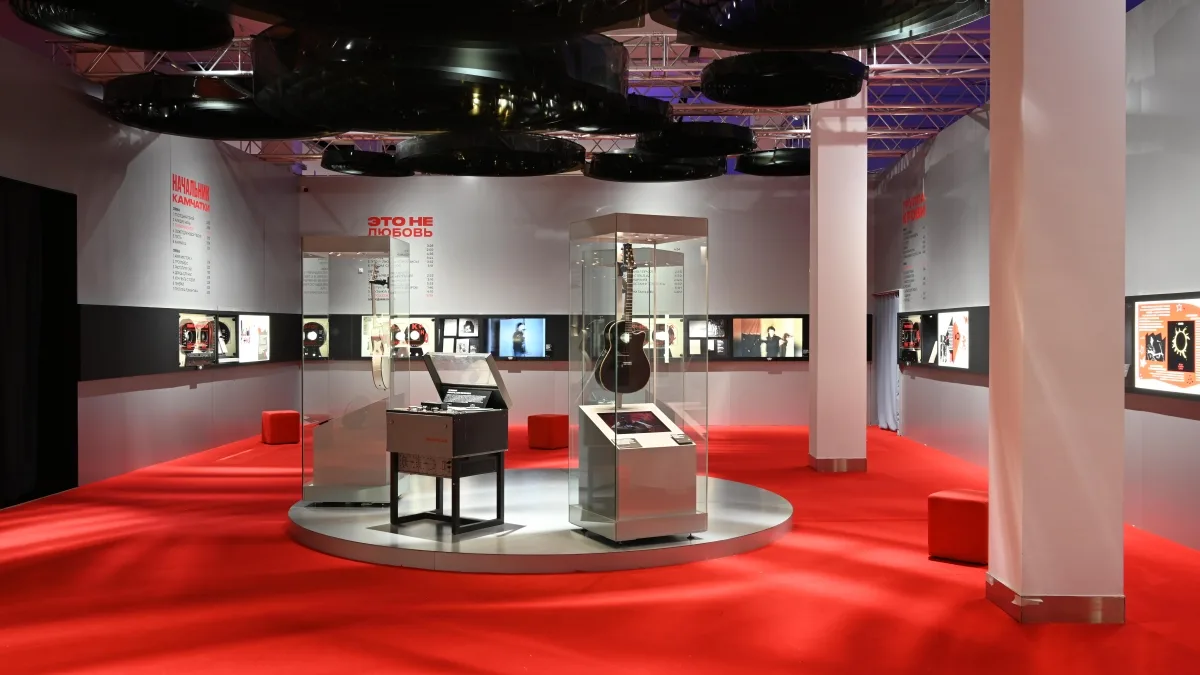
The first large-scale biographical exhibition dedicated to legendary Viktor Tsoi — leader of the band Kino and one of the defining cultural figures of the late Soviet era — presented at the Manege Central Exhibition Hall in Moscow in January 2022, marking the 60th anniversary of his birth. Spanning 2,650m² across 11 thematic halls, the exhibition combined over 300 archival exhibits, personal objects, and original artworks with immersive multimedia content. The task was to develop all audiovisual and narrative content — 70+ original pieces — that would transform a biographical archive into a coherent spatial and emotional experience.
MY ROLE
I served as Creative Director and Lead Scriptwriter, shaping the narrative and emotional structure of the exhibition from concept through delivery. I directed the development of all multimedia content and the immersive adaptive soundscape — defining how Tsoi's archival recordings, interviews, and music would be structured spatially across 11 halls to create a personal rather than collective listening experience. I led the creative team, ensuring coherence between storytelling, content, and visitor experience across the full scope of 70+ audiovisual pieces.
The exhibition was developed by Pitch in collaboration with architectural bureau Planet 9, with production and curatorial direction by Alexander Karmaev.
THE CHALLENGE
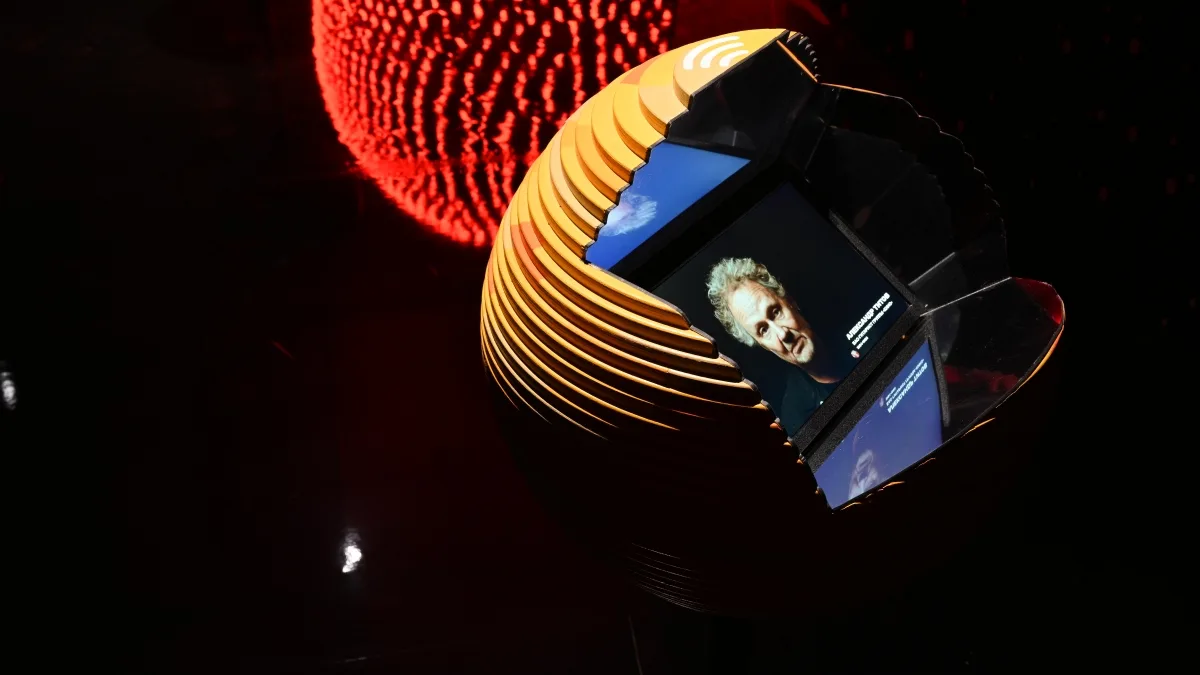
Tsoi is not a historical figure in the conventional museum sense. He is a living cultural presence — his music still circulates, his image still carries political and emotional weight, and his audience spans generations with radically different relationships to his work. An exhibition that presented him chronologically as a biography would have missed what makes him matter: not the sequence of his life, but the quality of his presence and the emotional territory his work occupies. The curatorial and narrative challenge was to honour the archival depth of the project — rare personal objects, private photographs, family loans — while building an experience that felt alive rather than commemorative. The additional technical challenge was creating a seamless adaptive audio environment: visitors move through 11 halls wearing headphones, with sound responding automatically to their position in the space.

THE APPROACH
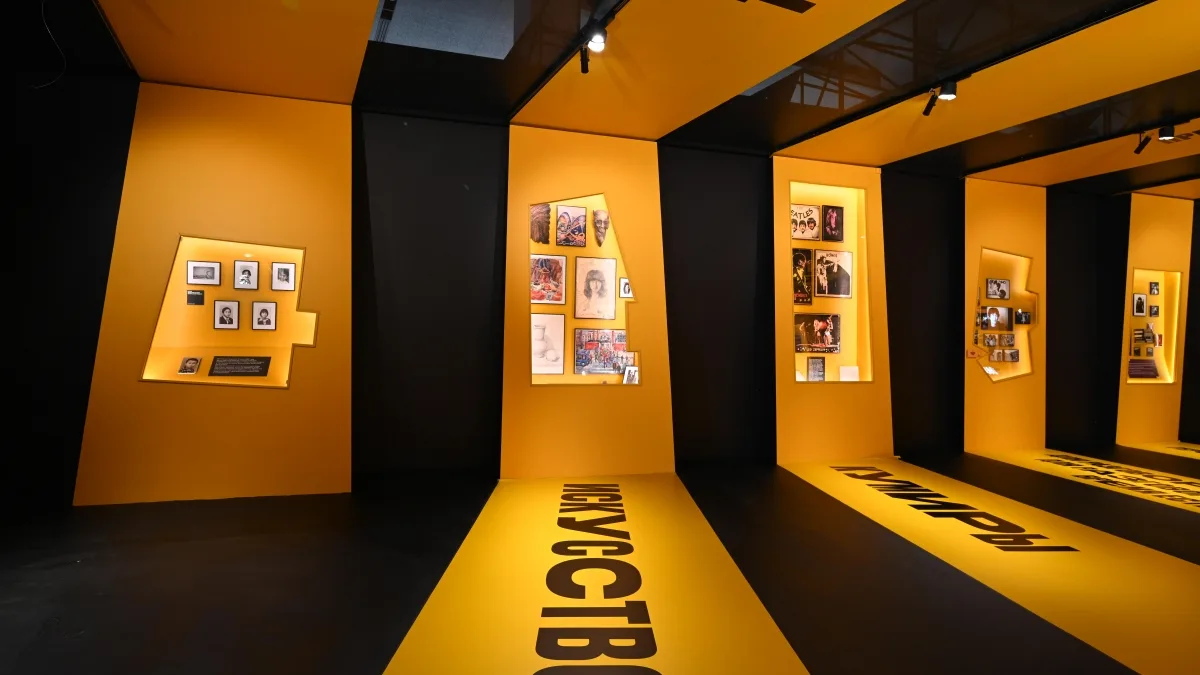
The narrative structure rejected chronology in favour of thematic immersion. Rather than moving from birth to death, the exhibition moves through the dimensions of Tsoi's creative identity: music, cinema, visual art, personal mythology. Each hall operates as a distinct emotional environment with its own sonic and visual logic, connected by the adaptive audio system that makes the experience personal rather than broadcast.
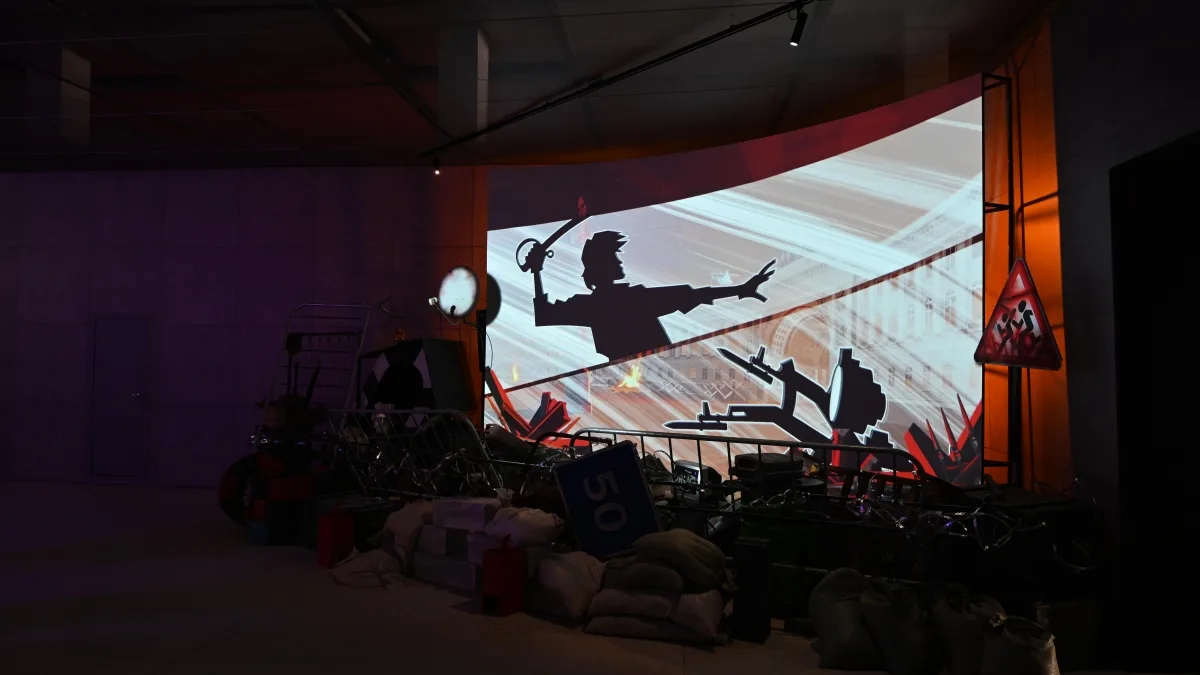
The most significant content decision was the treatment of archival material. Rather than displaying documents and recordings as evidence, each piece was integrated into an audiovisual context that amplified its meaning — synchronized songs and interviews activate as visitors approach specific installations, creating a sense of encounter rather than display. One of the key installations was a multimedia diorama dedicated to The Citadel of Death, Rashid Nugmanov's unmade film based on a William Gibson script — Tsoi's last project, which never happened. This required original CG content created specifically for the exhibition, and transformed an absence in the archive into one of the exhibition's most resonant moments.

THE RESULT
The exhibition opened on 15 January 2022 at the Manege Central Exhibition Hall in Moscow — Russia's most prestigious exhibition venue — and was subsequently extended beyond its original closing date due to audience demand, attracting over 150,000 visitors. It established a new format for biographical exhibition in the Russian cultural sector: not a memorial, not a retrospective, but a spatial biography where visitors encounter an artist's life through the emotional logic of his own work. The adaptive audio system — where the soundscape develops individually for each visitor as they move through the space — became one of the exhibition's defining technical and experiential achievements.
It became the first large-scale biographical exhibition dedicated to Viktor Tsoi.